















Ireland Tax Refund — Claim Your Overpaid PAYE Tax Back | Refutax
Irish tax refund

Claim your Irish tax refund. Get every euro you’re owed.

If you worked in Ireland and paid PAYE income tax, there’s a strong chance you overpaid. Whether you worked in hospitality, meat processing, construction, healthcare, agriculture, or any other industry — Refutax handles your entire claim with Revenue so you don’t have to.

Why Ireland?

Ireland’s emergency tax hits foreign workers hardest. We get your money back.

Ireland operates a PAYE (Pay As You Earn) tax system similar to the UK, where income tax is deducted directly from your wages. The problem for foreign workers is that when you start a new job without a PPS number or before Revenue processes your tax credits, you’re placed on emergency tax. This means you’re taxed at the higher rate (40%) from day one, with no tax credits applied. Even after your tax credits are sorted, the emergency tax you overpaid in those first weeks or months is not automatically refunded — you need to claim it back. On top of income tax, Ireland also charges USC (Universal Social Charge) and PRSI (Pay Related Social Insurance), both of which may have been overpaid. Refutax ensures you claim back everything Revenue owes you.

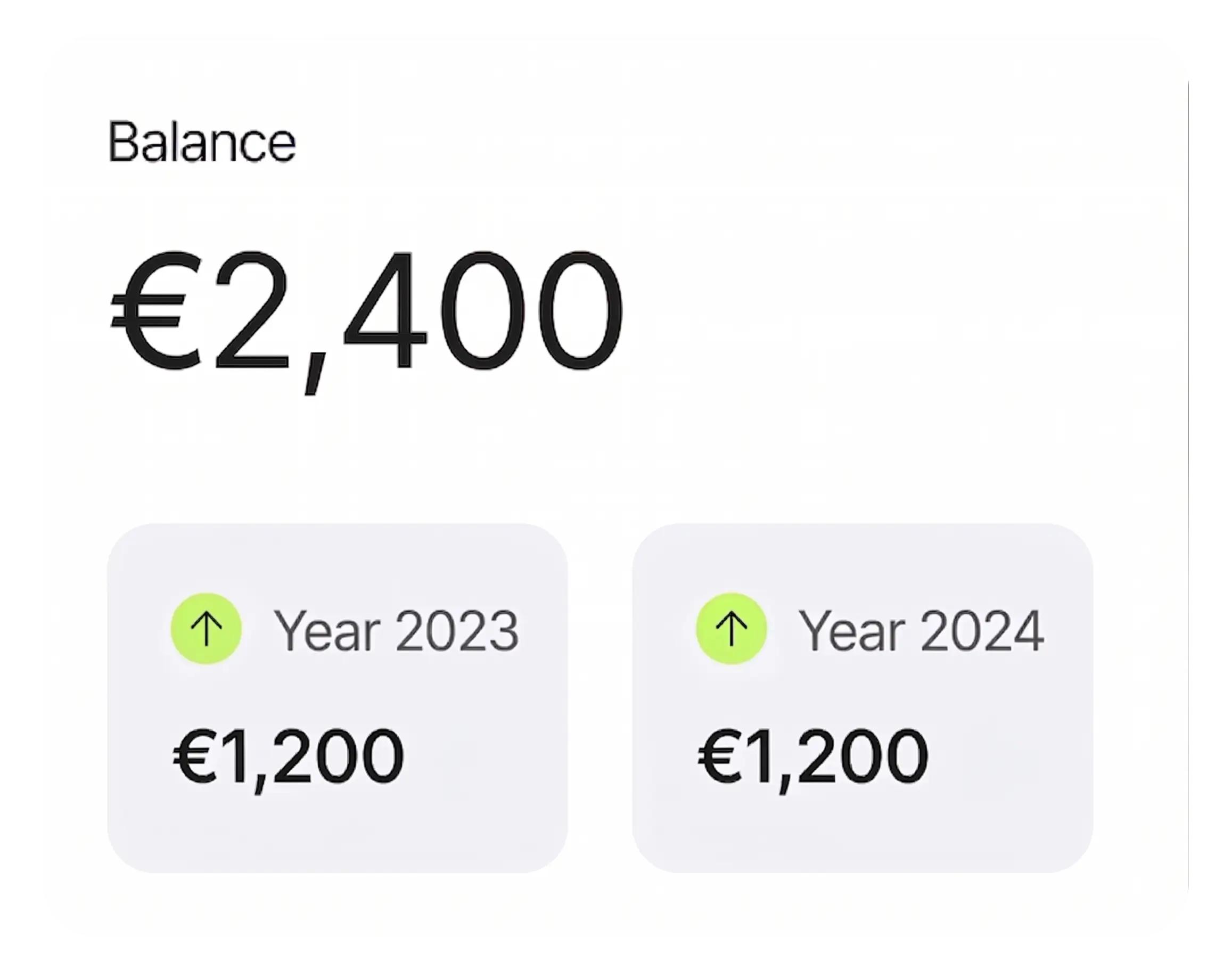
€1,200+ Average

Irish tax refund per year

Our services

What you can claim back from Ireland

Ireland’s tax system has several areas where foreign workers commonly overpay. Here are the three main claims we handle for you.

PAYE & Emergency Tax Refund

If you were placed on emergency tax when starting work in Ireland, or if you only worked part of the tax year, you almost certainly overpaid PAYE income tax. Emergency tax can result in up to 40% being deducted from your wages with zero tax credits applied. We file your claim with Revenue and recover the difference between what you paid and what you actually owe. Emergency tax refunds typically range from €500 to €2,000+.

USC & PRSI Refund

Beyond income tax, Ireland charges USC (Universal Social Charge) and PRSI (Pay Related Social Insurance) on your earnings. If your total annual income was below certain thresholds, or if you only worked part of the year, you may have overpaid these charges. USC is reduced or eliminated for lower incomes, and PRSI contributions may be refundable if you leave Ireland permanently. We check both and claim back any overpayments.

Tax Credits & Flat Rate Expenses

Many workers in Ireland are entitled to tax credits and flat rate expenses that they never claim. Flat rate expenses are industry-specific allowances that Revenue grants for work-related costs like uniforms, tools, and equipment. For example, nurses, chefs, construction workers, and many other professions have set flat rate amounts. On top of that, you may be entitled to additional tax credits such as the rent tax credit (introduced in 2022), health expenses relief, or tuition fee relief. We check all available credits and claim them for you.

Why thousands of workers trust Refutax for their Irish tax refund.
  • We understand the Revenue PAYE system and emergency tax rules inside out
  • Personal phone support in your language
  • We check PAYE, USC, PRSI, tax credits, and flat rate expenses all in one claim
  • Claim refunds for up to 4 previous tax years — don’t leave money with Revenue
gradient

Stats

12K+

Services Offered

gradient

Avegare Refund

€1,200

Average refund per client per year

gradient

Succes

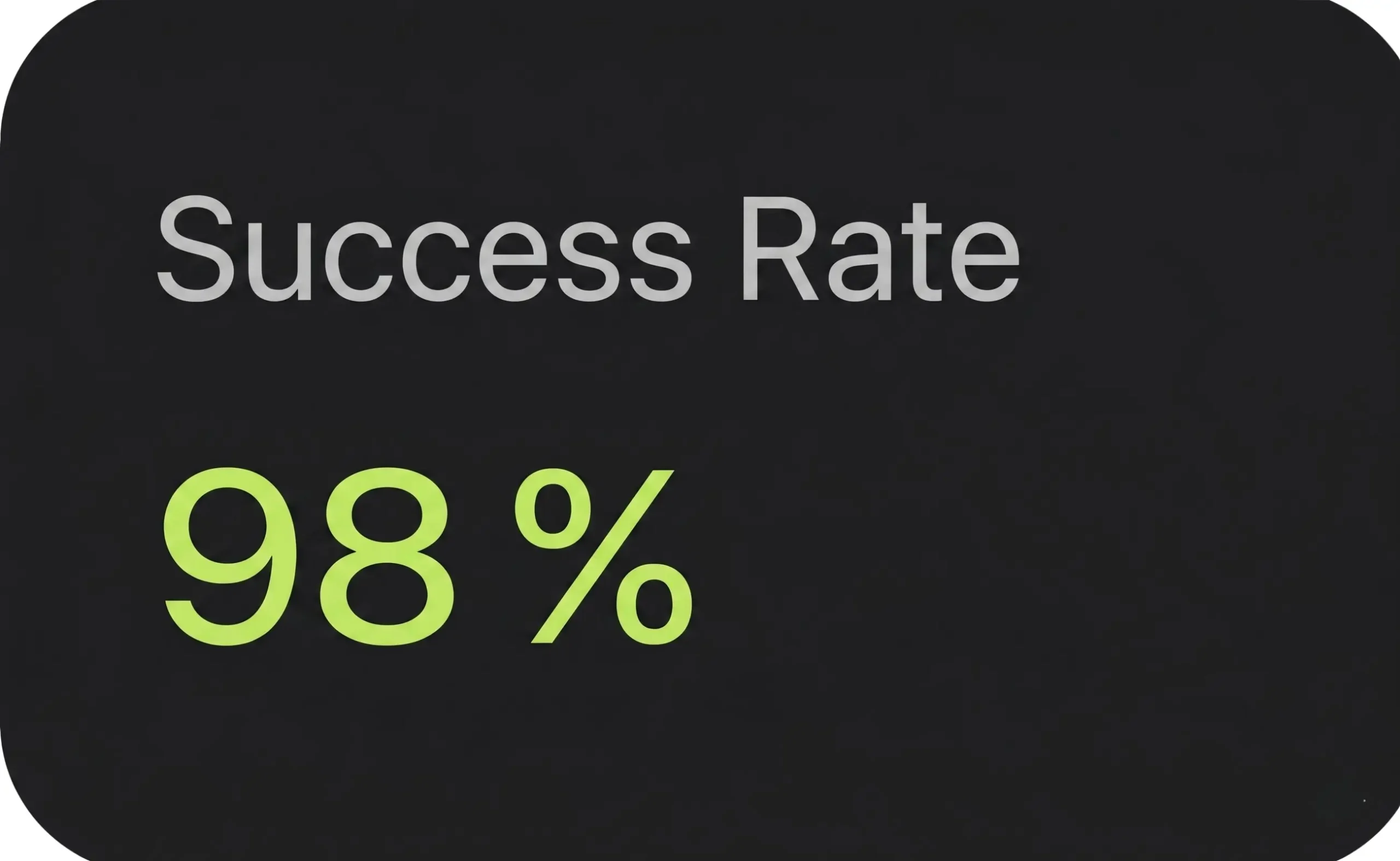
95%

Successful claims filed

gradient

Docs

< 48h

From documents to filing

gradient

Years

4 years

Of past taxes you can still claim

Who can claim an Irish tax refund?

You are most likely eligible if any of the following apply:

  • You were placed on emergency tax when starting work in Ireland
  • You worked in Ireland for less than a full tax year (January to December)
  • You left Ireland partway through the year and didn’t use your full tax credits
  • You had multiple jobs or changed employers during the tax year
  • You never claimed your flat rate expenses for your profession
  • You earned below the standard rate cut-off point (€42,000 in 2024) but were taxed at 40%
  • You worked in meat processing, hospitality, healthcare, construction, or agriculture
  • You no longer live in Ireland — you can still claim from your home country

Not sure? Use our free eligibility check or call us — we’ll tell you within minutes.

What documents do you need for an Irish tax refund?

Don’t worry if you’re missing some — our team can help you get replacements from Revenue or your employer.

  • PPS Number: Your Personal Public Service number — Ireland’s tax identifier (format: 1234567AB)
  • P45 (End of employment): Given by your employer when you leave — shows income and tax paid
  • P60 (End of year certificate): Annual summary of your income and tax for the full year
  • Payslips: Weekly or monthly records showing your income, PAYE, USC, and PRSI deductions
  • Employment Detail Summary: Available online from Revenue’s myAccount — replaced the P60 from 2019 onwards

How long does an Irish tax refund take?

  • Your application: 5 minutes
  • Our review & filing: 1–2 business days
  • Revenue processing: 3–5 business days
  • Refund to your bank: 3–5 business days after Revenue approval

Frequently Asked Questions

Everything you need to know about getting your tax refund.

Yes. You do not need to be in Ireland to claim your refund. Refutax handles everything remotely — we file your claim with Revenue on your behalf. If you left Ireland partway through the tax year, you’re actually more likely to be owed a refund because you probably didn’t use your full annual tax credits.

Emergency tax is applied when your employer doesn’t have your correct tax details, typically when you start a new job without a PPS number or before Revenue registers your employment. On emergency tax, you’re charged at the higher rate (40%) with no personal tax credit applied. This means you could be paying almost double the tax you actually owe. The emergency tax is not automatically refunded — you need to submit a claim to Revenue to get it back.

You can claim an Irish tax refund for the past 4 years. So in 2025, you can file for 2021, 2022, 2023, and 2024. We recommend claiming all eligible years at once to maximize your total refund, especially if you never claimed flat rate expenses or tax credits in those years.

Flat rate expenses are fixed deductions that Revenue allows for work-related costs in specific professions. For example, nurses and midwives can claim €733/year, construction workers can claim for tools and protective clothing, chefs can claim for uniforms, and healthcare assistants can claim for shoes and stockings. These are standardised amounts — you don’t need receipts. Revenue maintains a full list by profession, and we check whether your job qualifies.

USC (Universal Social Charge) is an additional tax charged on your gross income in Ireland. The rates range from 0.5% to 8% depending on your income level. If your total annual income is below €13,000, you’re exempt from USC entirely. If you only worked part of the year and your total income was low, you may have overpaid USC and be entitled to a refund. We check this automatically as part of your claim.

Yes, and in fact meat processing workers are among the most common claimants for Irish tax refunds. Many meat plant workers are foreign nationals who are placed on emergency tax when they start, work seasonal or contract hours, and are entitled to flat rate expenses for protective clothing. If you worked in a meat processing facility in Ireland, there’s a very high chance you’re owed a refund. Contact us and we’ll check your situation.

No. While Revenue’s myAccount portal is the fastest way to process a refund, it’s not the only way. If you don’t have a myAccount login (or can no longer access it because you left Ireland), we can file your claim using alternative methods. Many of our clients who have returned to their home countries no longer have access to myAccount, and we successfully process their refunds without it.

Ready to claim your Irish tax refund ?

Start your free application today. It takes less than 5 minutes, and you’ll know within 48 hours if you’re eligible for a refund.

×

Select Language