














If you worked in Belgium and paid bedrijfsvoorheffing (withholding tax), there’s a strong chance you overpaid. Whether you worked in construction, transport, logistics, food production, cleaning, or any other sector — Refutax handles your entire claim with the FOD Financiën so you don’t have to.
Belgium is known for having one of the heaviest tax burdens in Europe, with effective tax rates that can exceed 50% when you combine income tax, social security contributions, and municipal surcharges. For foreign workers, the situation is often worse because the bedrijfsvoorheffing (withholding tax in Flanders) or précompte professionnel (in Wallonia) is calculated at a flat rate that doesn’t account for your personal situation, number of dependents, or the fact that you may have only worked part of the year. Belgium also has a unique system of regional and municipal taxes that add complexity. Refutax’s Belgian tax specialists understand all three regions and ensure you claim back every euro the Belgian tax authorities owe you.
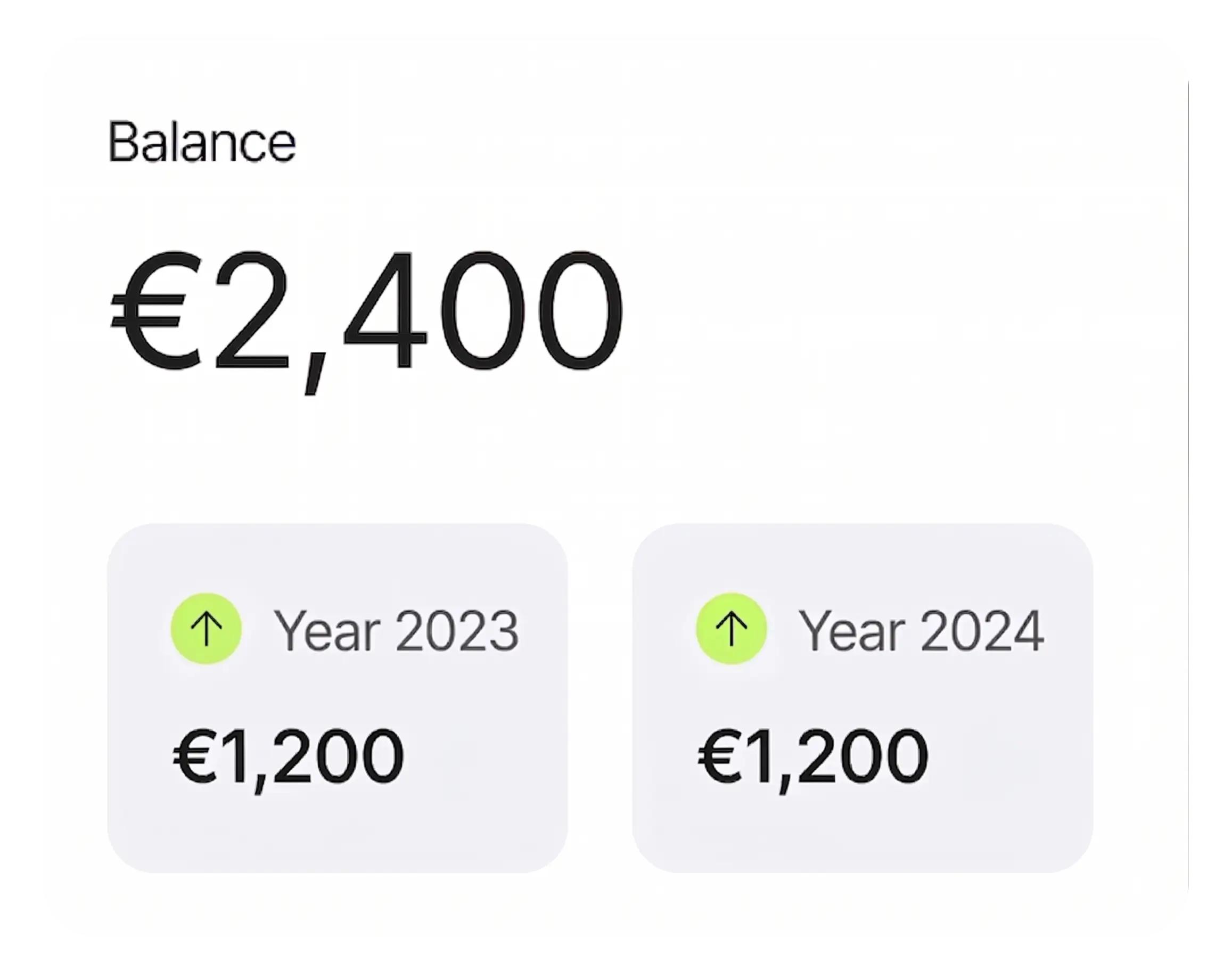
Belgian tax refund per year
Belgium’s complex tax system means there are several ways you could be owed money. Here are the three main claims we handle.
Your employer in Belgium deducted bedrijfsvoorheffing (Dutch) or précompte professionnel (French) from your wages every month. This withholding is often calculated at a higher rate than you actually owe, especially if you only worked part of the year, had dependents, or are eligible for tax-free allowances. We file your belastingaangifte (tax return) or déclaration fiscale with the FOD Financiën and claim back the overpaid amount. Refunds typically range from €400 to €2,000+.
Belgium allows you to claim either a standard lump-sum deduction for professional expenses (forfaitaire beroepskosten) or your actual work-related expenses if they exceed the lump sum. Deductible expenses include travel costs between your home country and Belgium, accommodation costs, work clothing and safety equipment, tools, and union membership fees. For foreign workers with significant travel and accommodation costs, claiming actual expenses instead of the lump sum can significantly increase your refund.
Belgium has double taxation agreements with most European countries, which means you should never be taxed twice on the same income. If you paid taxes in both Belgium and your home country, or if your employer applied the wrong tax treatment for cross-border work, you may be entitled to additional refunds. We also check whether the Limosa declaration (mandatory notification for posted workers in Belgium) was handled correctly and whether you’re eligible for the special tax regime for foreign executives and specialists (the new expat tax regime introduced in 2022).
Stats
Services Offered
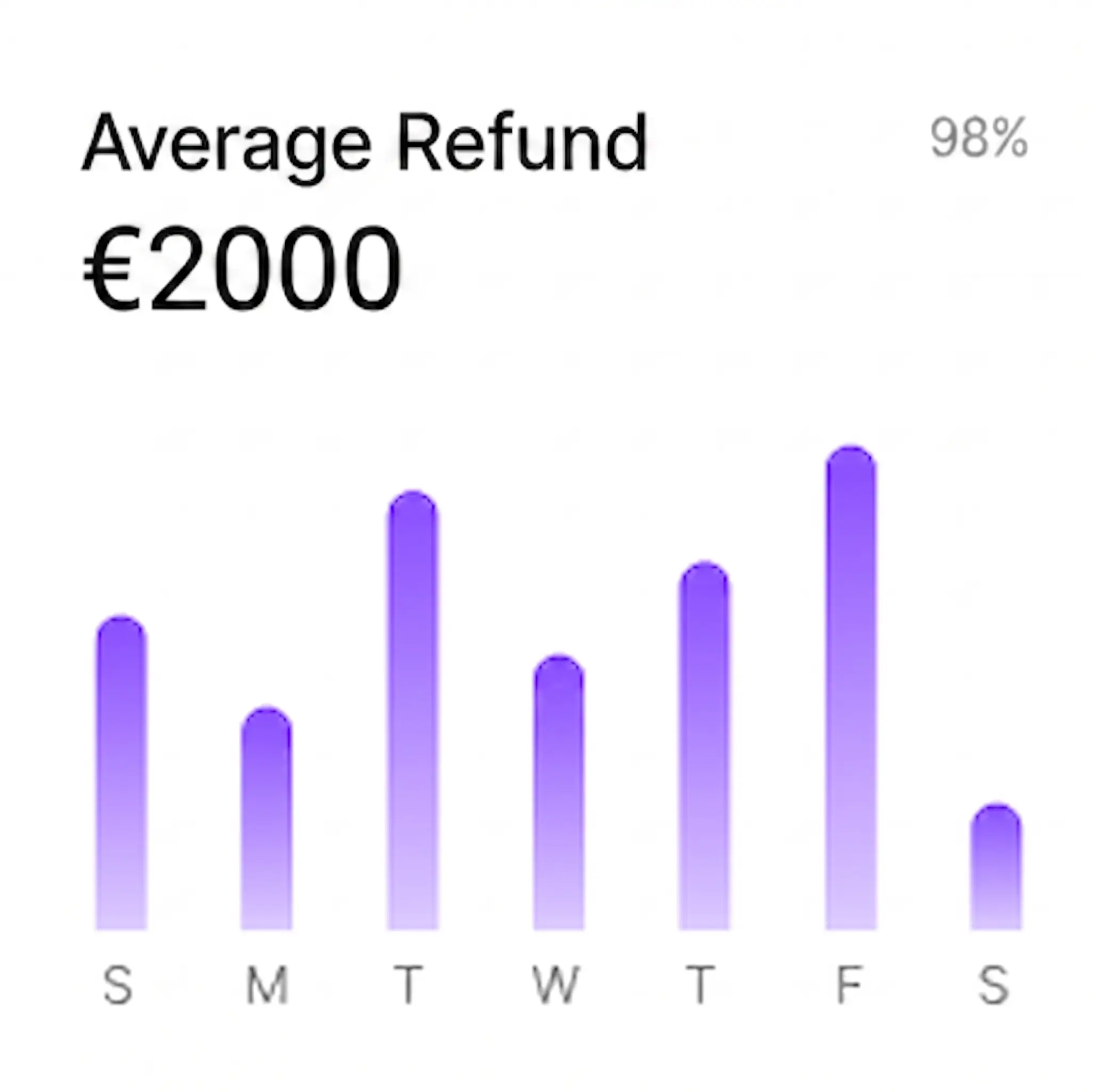
Avegare Refund
Average refund per client per year
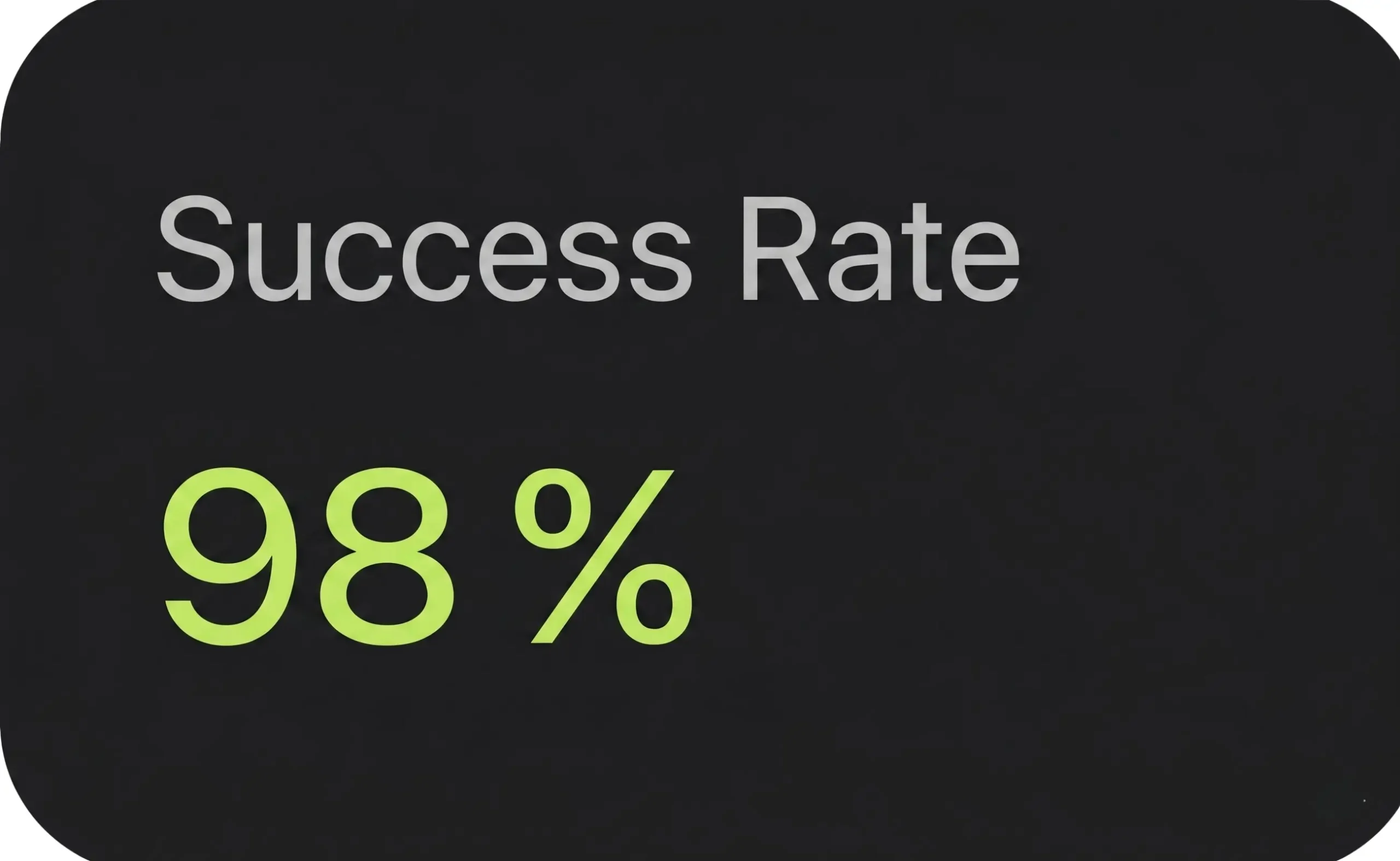
Succes
Successful claims filed
Docs
From documents to filing
Years
Of past taxes you can still claim
You are most likely eligible if any of the following apply:
Not sure? Use our free eligibility check or call us — we’ll tell you within minutes.
Don’t worry if you’re missing some — our team can help you get replacements.
Everything you need to know about getting your tax refund.
Yes. You do not need to be in Belgium to claim your tax refund. As a non-resident, you can file a non-resident tax return (aangifte niet-inwoners/déclaration non-résidents) with the FOD Financiën. Refutax handles this entire process remotely, and your refund is sent directly to your bank account anywhere in the world.
You can claim a Belgian tax refund for the past 3 years. This is shorter than most other countries we cover, so we recommend applying as soon as possible to avoid losing eligible years. In 2025, you can still claim for 2022, 2023, and 2024.
Bedrijfsvoorheffing (in Dutch) or précompte professionnel (in French) is the Belgian withholding tax deducted from your wages by your employer. It’s essentially an advance payment on your annual income tax. The withholding rate is calculated using standardised tables that don’t always reflect your real tax situation — particularly if you worked for only part of the year, have dependents, or are eligible for tax treaties. The difference between what was withheld and what you actually owe is your refund.
Yes. Posted workers who were sent to Belgium by a foreign employer are among the most common claimants. If your employer registered you under the Limosa system and Belgian taxes were withheld from your wages, you are very likely owed a refund. The tax treatment of posted workers is complex because it involves double taxation agreements, but our specialists handle these cases regularly and ensure you’re not taxed twice on the same income.
Belgium gives you a choice: either claim the standard lump-sum deduction for professional expenses (forfaitaire beroepskosten) or declare your actual expenses if they’re higher. For foreign workers who travel long distances to Belgium and pay for accommodation, the actual expenses almost always exceed the lump sum. We calculate both options and file whichever gives you the larger refund. You don’t need to decide — we do the comparison for you.
Yes and no. Federal income tax is the same across Belgium, but each region (Flanders, Wallonia, Brussels) can apply additional surcharges or tax reductions. The municipal surcharge (gemeentebelasting/taxe communale) also varies by city. These differences can affect your final refund amount. Our system accounts for the specific region and municipality where you worked to ensure your claim is accurate.
No. The FOD Financiën can transfer your refund to any EU bank account with an IBAN. If you have a non-EU bank account, the process may take longer or require additional steps, but it’s still possible. We help you provide the correct banking details to the tax office to ensure smooth payment.
Start your free application today. It takes less than 5 minutes, and you’ll know within 48 hours if you’re eligible for a refund.